
Whole Human Development Course
Introduction to Natural Learning Relationships

Embodied, radiant learning with social, ethical, and transformative impact
Faculty: Josette Luvmour, PhD (link to bio) Ba Luvmour (link to bio)
Zoom sessions:
1.5 hour session each week on Zoom
Starting Tuesdays July 21st at 1:30 pm Pacific
Course runs for 7 weeks until Tuesday, September 1st.
Click View Options button above to add to cart and access payment plans
Course Description
This experiential course introduces the Natural Learning Relationships (NLR) framework for supporting children’s development in love, trust, spirituality, safety, and social justice. Grounded in decades of research and practice, participants learn practical, evidence-informed ways to foster trust, empathy, and mutual respect while promoting well-being and justice in diverse family and educational settings.
Designed for educators, caregivers, parents, and professionals, the course provides insight and inspiration for transforming everyday interactions into opportunities for connection, growth, and healing.
Payment plans available.
The course is open to anyone interested. If you decide to continue to complete the entire Ceritificate Program, the course fee will be applied to your total tution for the certificate program.
Listen to the podcast!
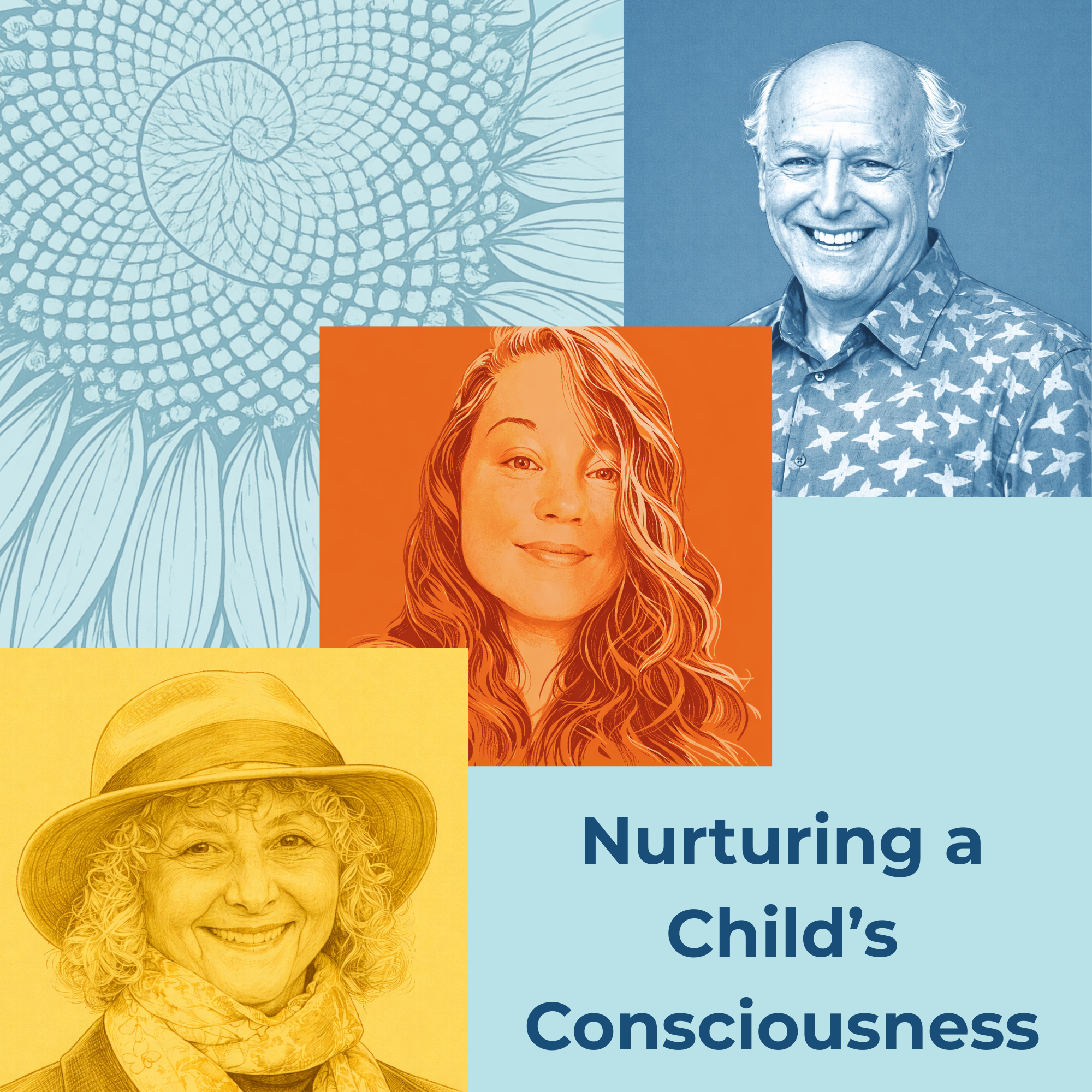
The Nurturing a Child’s Consciousness podcast is Hosted by Brandy McCray, and features Josette Luvmour, Ph.D. and Ba Luvmour, M.A. the originators of Natural Learning Relationships.
The Nurturing a Child’s Consciousness podcast series is devoted to Whole Human Development. It features Natural Learning Relationships (NLR). At its core, NLR maps the development of the innate capacities in children and offers guidelines to creating relationships that lead to optimal well-being for both the child and the caregiver(s).
This series of podcasts will allow you to see through a child’s eyes and feel through a child’s heart. It reveals the inner workings of the child’s consciousness—how they see and know themselves and their world. We enter their perspective and so can nurture their actualization of well-being.